

Against Meanness 1
If the norm is meanness, how shall We relate to that? How do we know ourselves #against meanness?

“I’d be a little freer, little less mean, a little less mean, a little less bitter!” [1] Nina Simone
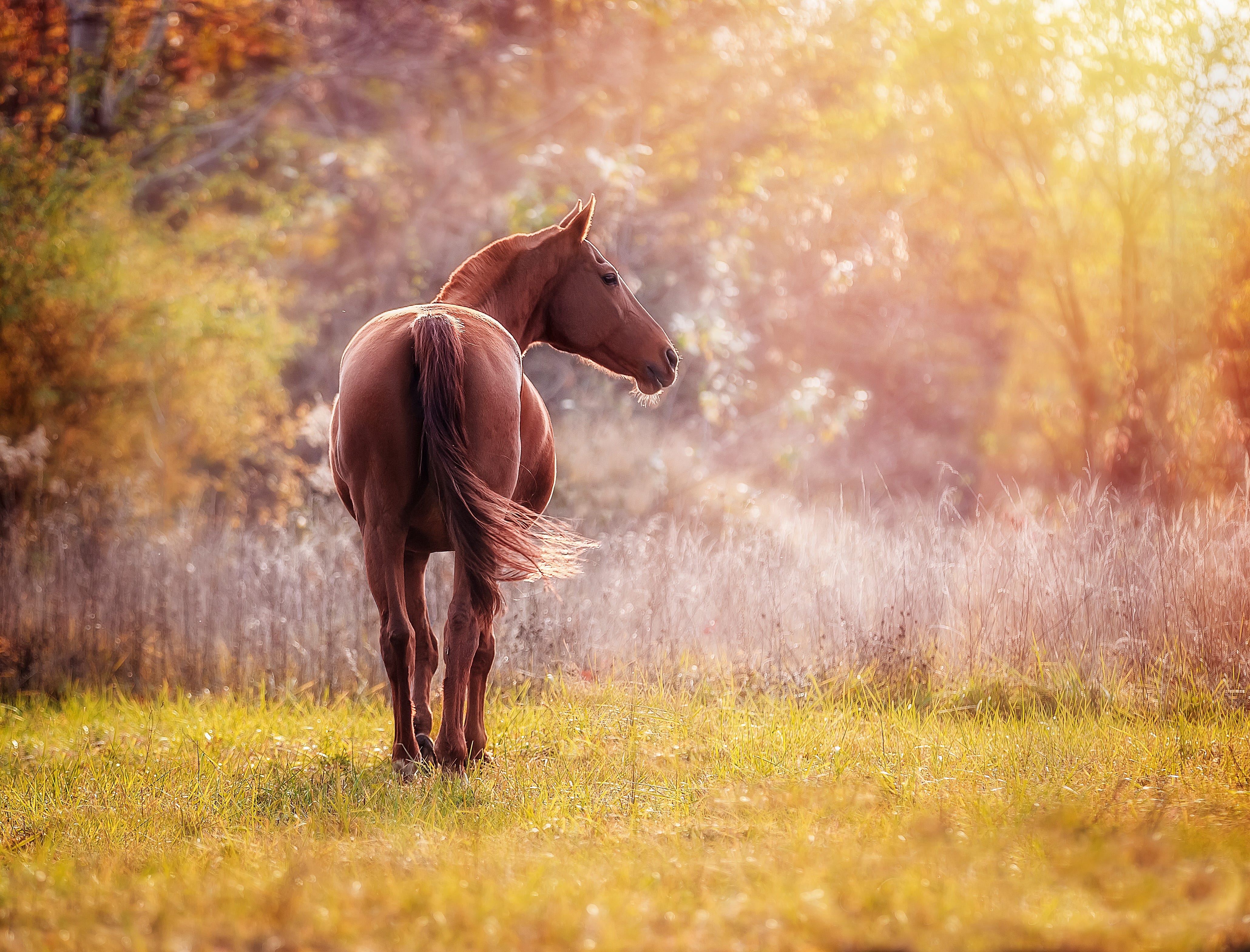
In a riff at the end of a live performance of “I Wish I Knew How It Would Feel to Be Free,” Nina Simone connects bitterness and meanness to her lack of freedom. Then, she sways on the stage and shakes her head like a wild horse who will shock you with sudden power and maybe even throw you off.
In an interview, Nina Simone defined freedom as “no fear, no fear!” The filmmakers of her documentary followed that revelation with footage from this performance.
We can imagine that she is feeling free right there on that stage.
I think of this quote when I think of how our society has become mean, not because it is our nature, but because we are righteously bitter. Meanness comes of our focus on living in fear and in lack.
Meanness makes us mean. Hurt people hurt people.
I have spent my academic career trying to understand this history of meanness. I believe, thanks to historian Michel Foucault, that if you can historicize something, that is tell a story about the time before it existed and of how it was made, you can challenge its naturalness. You can see that it is a construct. A construct is a compelling fiction. It feels true enough to be real. It is real because you have experienced the effects of it in your material world and upon your body. It has hurt you many times. Also, you are made of this fiction.
It needs an undoing, as Judith Butler puts it. The fiction undoes you. Therefore, it must be undone so that you can live and be free.
Why would an entire nation agree to meanness?
These are some of the fictions I challenge as a teacher and scholar: that racism is innate in white people; that people have always been greedy; that men are naturally so lustful that they must rape and have access to women’s bodies; and that violence and poverty and inequality and destruction of this planet are inevitable.
These are all lies.
And yet, history is built of actions compelled by these lies. They make us do harm. We tell ourselves these lies and learn them from the narratives historians write and teach. We learn them from many places—we are saturated in these lies. Marinated, we stink of them.
I am against meanness. I understand that the masters’ tools can never dismantle the master’s structural inequalities. #againstmeanness
What does it mean to be “against”?
Here I have played with the dictionary uses of the word against:
In anticipation of; in preparation for (a particular time, event etc.). ▼The water defenders sang to fortify themselves against the violence of the police and the freezing cold water the police would shoot at them from the cannons.
As protection from. ▼She stood with her against the verbal assault the professor launched at her.
In a contrary direction to. ▼It may seem easier not to swim against the current.
In physical opposition to; in collision with. ▼The politician enacts policy against our sovereignty.
In physical contact with, so as to abut or be supported by. ▼My tired lover was leaning against my chest; I supported her in my arms.
Close to, alongside. ▼A row of beautiful queers stood against the wall of plastic shields—then turned raising their fists like hearts to shout, “An army of lovers cannot lose.”
In front of; before (a background). ▼The corrupt leader was silhouetted against the white wall.
In contrast or comparison with. ▼They stands out against the binary.
In competition with, versus. ▼The Tigers will play basketball against the Wildcats this weekend.
Contrary to; in conflict with. ▼Doing this is against my principles.
In opposition to. ▼He waged a ten-year campaign against the company that was polluting the river.
In exchange for. ▼I’ll take queer love against white supremacy every day.
As counterbalance to.[2] ▼Against meanness I bring queer love.
And what am I against in all of the above ways?
What is meanness?
Meanness is the opposite of noble or nobility, says Wictionary. It is a term applied to the lower classes. But I say the nobility have often been the mean ones. They have fostered lack and poverty, then blamed their victims. This is one form of what Barbara and Karen Fields call “racecraft.”
Mean + ness.
Mean. As adjective.
Common general public universal nasty unclean
Humble inferior poor low-minded spiritless base
Of little value, stingy tight-fisted
Selfish unkind, intending to cause harm, ill-will cruel malicious
powerful fierce strong. Colloquial deft. She sure plays a mean pinball![3]
In striking contrast to the adjective, is the verb to mean:
From Middle English menen (“to intend; remember; lament; comfort”),
To intend. ▼I didn’t mean to turn you on.
To convey signify or indicate. ▼This is what I mean.
To have conviction in. ▼This is meaningful to me. I mean it.
To cause or produce or to bring about. ▼This will mean that you have a livable existence.
Having some level of importance. ▼This dog means a lot to me.[4]
I wonder, how are these forms of mean related? In man’s search for meaning, surely his purpose was not cruelty, selfishness, unkindness, and intending to cause harm. This is a question I asked myself in my research into sixteenth-century colonial violence. What is the meaning in meanness?
From there, it became clear.
[1] “[I’d] sing so much better. I’d dance so much better, yeah!
I’d be a little freer, little less mean, a little less mean, a little less bitter
One day I thought I could fly.
One day I woke up and I could fly.
I’d look down at the sea
And I wouldn’t know myself. I’d have new hands. I ‘d have new feet. I’d have new vision.
My eyes would be open, new, better.
The Bible says, the Bible says be transformed by the renewing of your mind.
Be transformed by the renewing of your mind. Be, be, be-- easy! Getting my way…
For one moment of my life, for one moment of my whole life, I would know how it would be to be free!”
[2] From Wictionary.
[3] From Wictionary.
[4] From Wictionary.
I love the topic and this conversation. I talk often about how we are living in the “post truth” era and how facts don’t really matter. (I would attribute a great deal of this due to laziness and the effort it takes to discern the smallness of a fact or truth from the bigness and repetition of the lie). Today it has become about the “vibe”. I try to mentor about the vibe. It may be right, but it has always been the same with a simple change in the vocabulary. The best way to make a positive change is to have a positive impact on the next generation. We may not be the subject of a 7th grade history book a century from now but we may be the subject of a story or two at a dinner table where a grandparent tells the story of the impact we had on their journey. We build immunity to meanness by being exposed to it and choosing to vibe with kindness, love and compassion.
Yes. Vibe kindness. I love that!!